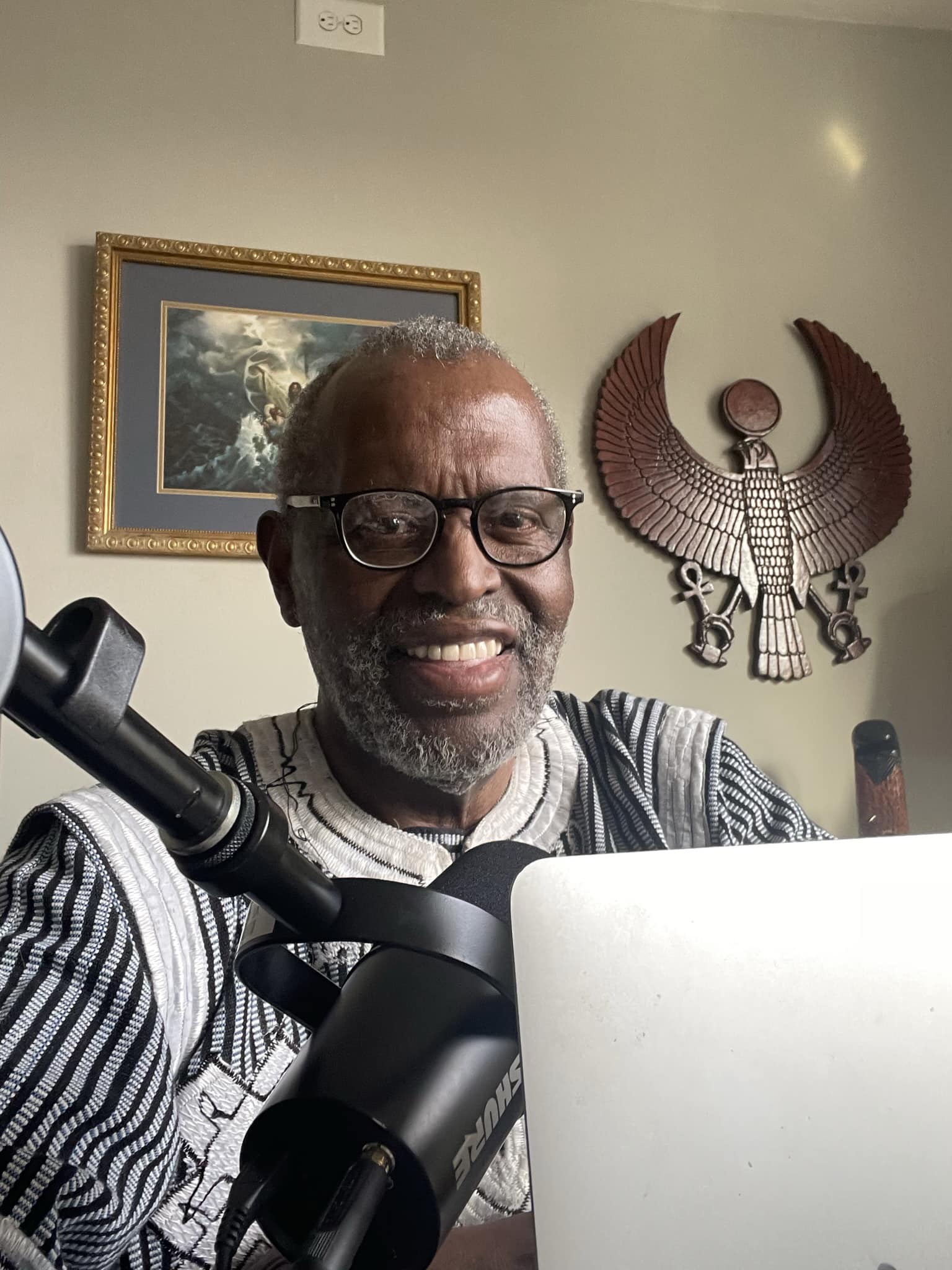
Ari Sesu Merretazon
The first interview with Ari Sesu Merretazon recounts his early life in Washington, D.C., with his family. Ari discusses how his parents, his upbringing, and the historical protests that occurred during his childhood shaped his outlook on the military and the United States. In 1966, Merretazon was drafted for the Vietnam War and served from 1966 to 1968. According to him, the relationships between black and white people in the military were severely strained. The protests surrounding civil rights, Kennedy’s assassination, and racism significantly contributed to the division. Ari’s occupation in Vietnam was as a recon infantry soldier and emphasized ‘search, kill, and destroy’ missions. A major connection between soldiers within the war was the solidarity among black soldiers. Ari emphasizes how the only way they survived was through their blood love. 95% of the stockade in Vietnam was Black soldiers, further enforcing solidarity. Ari also stated that this solidarity transferred into sympathy for the Vietnamese people. The power struggles made both groups gravitate towards each other; however, the ‘search, kill, and destroy’ missions destroyed Vietnam and broke the Vietnamese spirit. The kill-or-be-killed mentality ran rampant. The long-lasting psychological effects of the war were also imperative to understanding the conditions of black soldiers in and out of Vietnam.
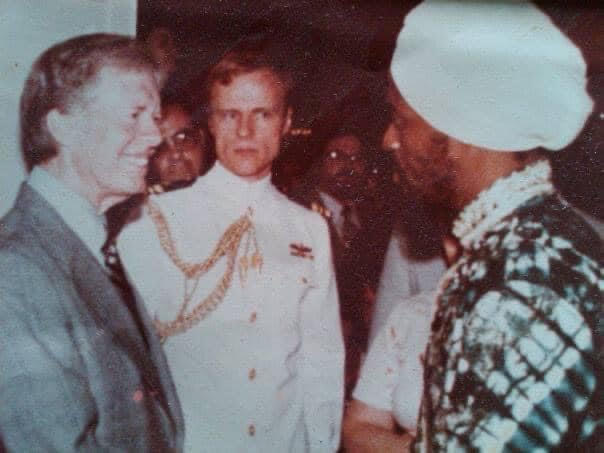
The second interview begins with Ari’s diagnosis of post-traumatic stress disorder (PTSD) and the efforts made to gain disability benefits through Veteran Affairs (V.A.). The interview then discusses the use of drugs such as marijuana and heroin. The use of drugs was very prevalent due to the explosion of drugs in black communities. Ari attempted to provide resources for those affected by drug use within his community. Rap sessions also played a vital role in assisting with war trauma. Not only did surviving the war impact Ari’s mental state but impacted the relationships he had with his parents. Ari also discusses how he was imprisoned at Lorton Reformatory for five-and-a-half years (1969-1979) for the armed robbery of a mail truck transporting more than $300,000 in US currency scheduled to be incinerated. Ari mentions the large racial difference in rates of incarceration. More specifically, how Lorton Reformatory consisted of 95% black men. However, Merretazon’s work in the Reformatory was revolutionary. He introduced higher education, base camps, and self-care programs. This work was so critical to achieving veteran reparations that Ari was able to meet with Jimmy Carter while incarcerated and testified before congress after he was released. Eventually, the work reached a point where veteran rights and reparations reached the Senate, and proper procedures and movement of veterans were established. The interview concludes with a powerful statement Ari made: “war is prison too.” This statement has profound sentiment toward the harsh conditions faced by imprisoned persons and the inability to forget or move past it, just as war.The final interview with Ari dives into his work with the Vietnam Veterans of America after his release from prison. The work began with a fruitful education, part of which he earned from the Antioch School of Law as a legal technician. With his background, Ari could assess the significant number of incarcerated veterans without disability benefits and set up the Incarcerated Veterans Assistance Organization and regressed to a partnership with governments in Washington, D.C. This work led to alliances with Daisy Bates and made its way into a major African American newspaper Jet Magazine. However, this work was not easy, Ari faced major battles with team leaders of his organization, the Arkansas county school board, and other influential organizations. Despite these struggles, Ari was able to create an effective veterans assistance program, make a name for himself, and initiate great change outside the political office. The interview also discusses how Ari’s traumatic brain injury occurred and how it has impacted different aspects of his life. From there, Ari discusses his relationship with his children and how his son’s health helped them to develop a close relationship. Discussing reparations for veterans is an important part of the final interview. Ari continuously talks about the impediments he faces with organizations like N’COBRA, the IBW 21stcentury group. Because of all these different organizations influencing governmental policies and lobbying, competing visions for reparations emerged. Reconciliation and reparations are two important factors that must be evaluated in order to combat the struggles faced by all veterans. Although it is not a perfect solution, Ari mentions how it is an important first step. The interview concludes with Ari’s connection to his culture – how his name is a representation of his spirit: hard-working and determined – how Ari’s work has aided many veterans, and how hard veteran reparation struggles have been.
Full oral history interviews:
Ari Sesu Merretazon, interviewed by Dr. Jason A. Higgins, January 10, 2023. Part 1.
Ari Sesu Merretazon, interviewed by Dr. Jason A. Higgins, January 12, 2023. Part 2.
Ari Sesu Merretazon, interviewed by Dr. Jason A. Higgins, January 18, 2023. Part 3.
This page has paths:
- Ari Sesu Merretazon, interviewed by Jason A. Higgins, Part 1 Jason Higgins
- Ari Sesu Merretazon, Interviewed by Jason A. Higgins, Part 3. Jason Higgins
- Ari Sesu Merretazon interviewed by Jason A. Higgins, Part 2 Jason Higgins
- Navigating Racism in the US Military Anonymous
- The Voices of Veterans Anonymous